On my grandfather’s 80th birthday, he took out a copper commemorative coin from an old wooden box. It glowed with a warm luster — an awarded coin to him in the 1950s for participating in the construction of a major national project. Although the gear pattern on the coin’s surface had become slightly blurred, the edges showed no signs of wear. Grandfather said he had wrapped it in layers of red silk cloth and kept it in the deepest corner of his wardrobe. Even so, years of contact with air left a few faint oxidation spots on its surface. Looking at this coin, which carried his youth and honor, I suddenly realized that commemorative coins are far more than pieces of metal. They are witnesses of time and vessels of emotion — and protecting them scientifically and properly is far more meaningful than simply collecting them.
Understanding Commemorative Coins: Time Carriers Beyond Metal
The value of a commemorative coin goes far beyond its material. It may serve as a “seal” marking a major historical milestone for a country; it may be a “messenger” of cultural heritage, such as calligraphy-themed commemorative coins that incorporate the elegance of seal script or clerical script into metal textures, allowing traditional culture to be preserved in a tangible form. It may also be a “milestone” in a personal life — a graduation coin that records years of hard work, or a wedding coin that symbolizes love and commitment.
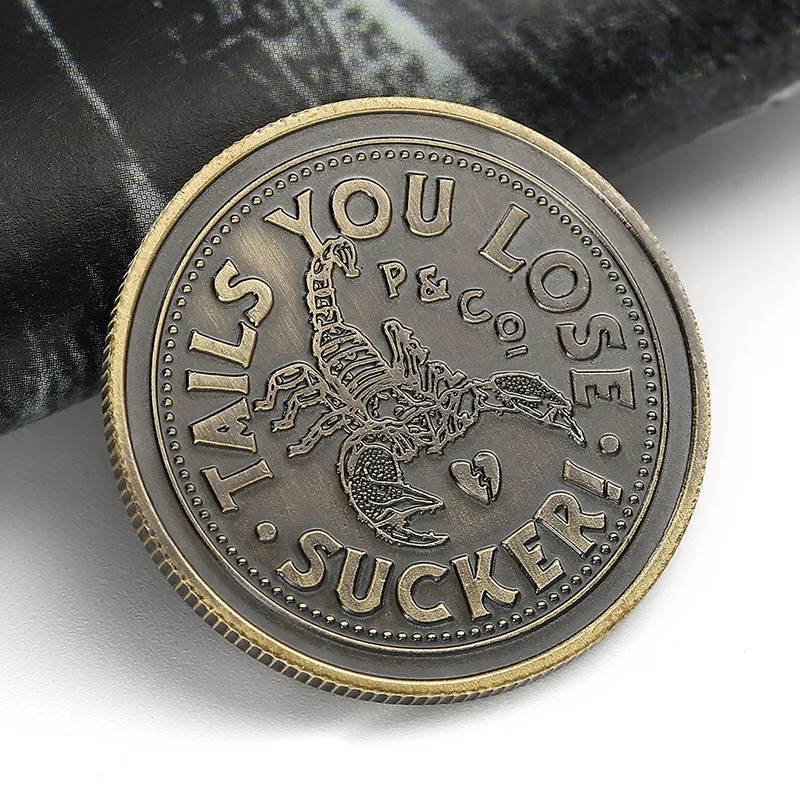
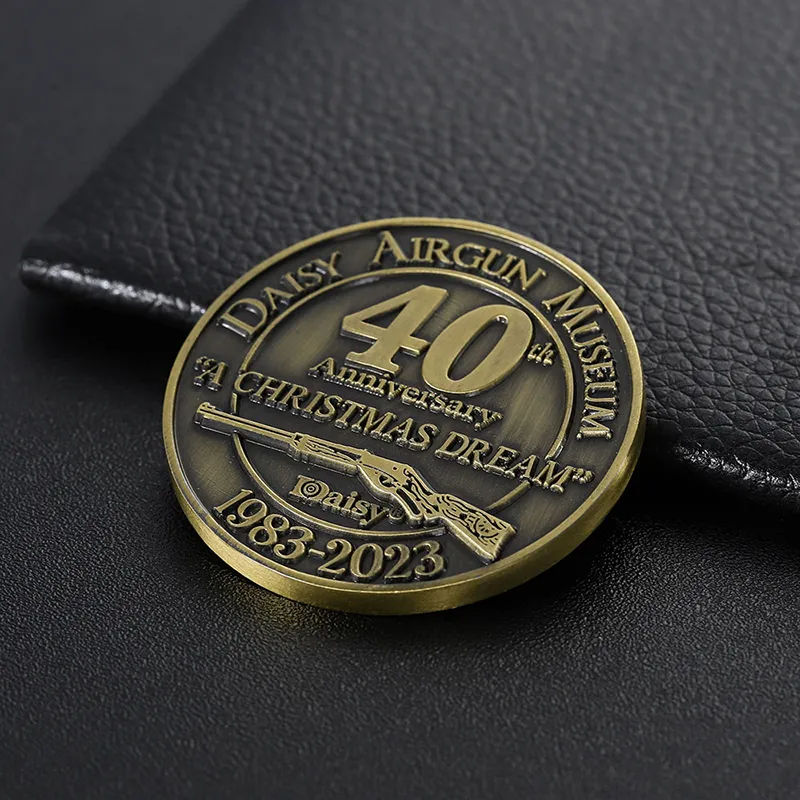
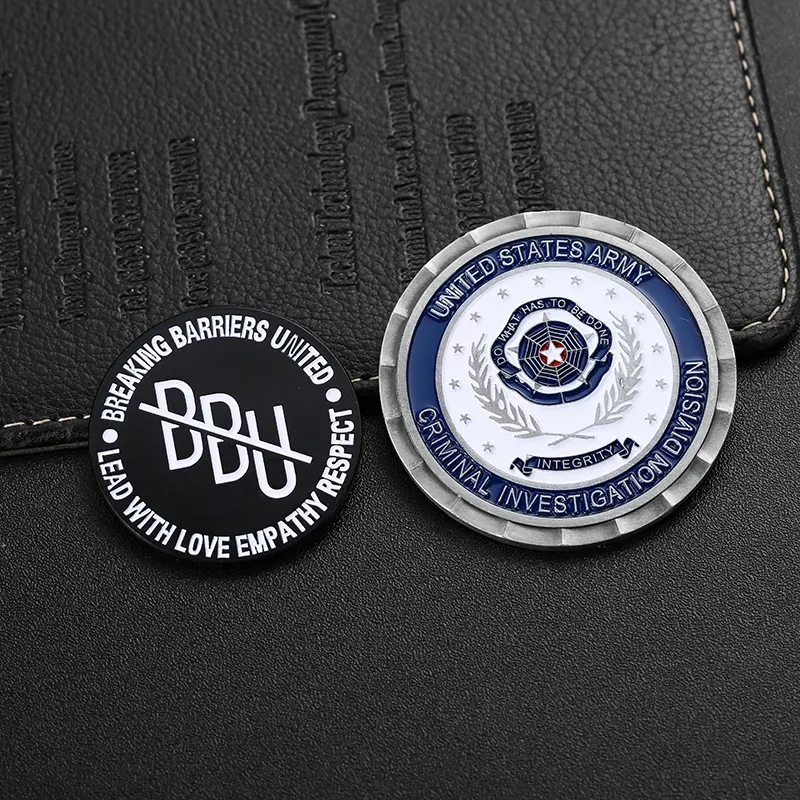
Unlike ordinary coins, commemorative coins are infused with the designer’s creativity. From conceptualizing the artwork to selecting the production techniques (such as sandblasting, color printing, or special shapes), every detail tells a story. For example, military-themed commemorative coins are crafted from brass using high-relief and silver-plating techniques. The military emblem on the obverse and the silhouette of border guards defending the frontier on the reverse complement each other perfectly — they not only highlight the dignified momentum of the military but also convey the soldiers’ sense of mission and responsibility to safeguard the motherland with loyalty. However, all these carefully crafted details can be easily worn, oxidized, or faded over time without proper protection.
Why Protect Commemorative Coins with Care?
Improper storage can quickly diminish a commemorative coin’s “lifespan” and greatly weaken the meaning it carries. The impacts include:
Detail wear and fading of stories:
If a commemorative coin is stored loosely in a drawer with keys, coins, or other hard objects, its surface will gradually be scratched. The originally sharp text and delicate patterns can become blurred, resulting in the coin’s historical background and design meaning becoming “faded,” making it hard for future generations to understand its value.
Oxidation and corrosion affecting the condition:
Different coin materials are highly sensitive to their environment. Pure silver coins can develop black sulfide spots; copper alloy coins may form green rust in humid settings; even stable pure gold coins can lose their shine if exposed long-term to sweat or grease. Poor condition not only reduces visual appeal but also affects the market value of collectible coins.
Disorganized storage causing memory gaps:
If a household has multiple commemorative coins but no systematic sorting method, it is easy to mix up coins from different years and themes. Over time, one may forget their origins — Was this coin a travel souvenir? A family gift? Without its story, the coin becomes just a piece of metal.
Accidental loss causing lasting regret:
Small commemorative coins are easily misplaced during moving or cleaning if no fixed storage method exists. Losing a meaningful or limited-edition coin often leads to irreversible regret.For example, military-themed commemorative coins are crafted from brass using high-relief and silver-plating techniques. The military emblem on the obverse and the silhouette of border guards defending the frontier on the reverse complement each other perfectly — they not only highlight the dignified momentum of the military but also convey the soldiers’ sense of mission and responsibility to safeguard the motherland with loyalty.
Scientific Steps for Protecting Commemorative Coins
To preserve commemorative coins long-term, one must follow scientific procedures — from understanding the coin’s characteristics to choosing the right protection method.
Step 1: Fully Understand the “Personality” of the Coin
Before protection, gather essential information about the coin:
-
Material: Different materials require different care: pure gold needs protection from impact and dirt; pure silver requires anti-sulfur and anti-moisture care; copper alloys need anti-oxidation and anti-scratch care.
-
Specifications: Record the diameter, thickness, and weight. This ensures the protection case fits properly — not too loose or tight.
-
Theme and background: Understand the coin’s release time, meaning, and design elements. This helps in selecting display methods that highlight its features.
Step 2: Choose the Right Protection Method
Depending on the coin and desired preservation approach, consider the following:
Airtight Storage Box
Suitable for most coins, especially precious metal ones. Choose acrylic or PC boxes with acid-free pads inside. They effectively block air, dust, and moisture. Ensure high transparency for display and tight sealing to prevent dust entry.
Commemorative Album
Ideal for sets or theme-based collections. Choose acid-free albums with coin slots matching exact sizes. Some albums include note areas for background information. Avoid frequent flipping to reduce friction.
Frame Display
For home display, use frames with UV-protective glass and acid-free backing. Fix the coin using coin holders rather than glue. Pair with themed background paper or text cards for better visual effect. Avoid direct sunlight exposure.
Themed Display Box
For special or premium coins, choose wooden, metal, or high-quality acrylic display boxes with custom grooves. Some include LED lighting. Suitable for gifts or high-end collections like zodiac coins.
Step 3: Precise Fixation and Detail Handling
Fix the coin securely to avoid damage:
-
If using airtight boxes, add acid-free double-sided tape to secure the padding (not touching the coin).
-
Use coin holders made of acid-free plastic or paper to avoid direct adhesive contact.
After fixing, check for misalignment or pressure marks. Ensure no scratches exist in the protective case. Label the case with the coin’s information for easy management.
Daily Maintenance and Storage Guidelines
A proper environment extends a commemorative coin’s lifespan:
-
Keep the storage area cool, dry, and ventilated.
-
Maintain 15–25°C temperature and 40%–60% humidity.
-
Avoid kitchens, bathrooms, or areas near heaters or air vents.
-
Use silica gel packs and replace them every 3 months.
When handling coins:
-
Wear clean cotton gloves or use tweezers.
-
Hold coins by the edges only.
-
Examine coins monthly for oxidation or scratches.
-
Replace damaged protective materials immediately.
-
For oxidation, seek professional restoration — do not attempt cleaning yourself.

DIY Protection vs. Professional Services
For small or common coins, many people prefer DIY protection using simple materials like standard airtight boxes, acid-free paper, or handmade coin organizers. This is low-cost and flexible.
However, for valuable or special coins, professional services are superior. Professionals understand each metal’s characteristics and can design custom protection solutions. They use high-quality materials like UV-proof glass and acid-free pads and provide long-term maintenance advice.
Diverse Display Methods: Integrating Time Marks into Life
Commemorative coins can also be part of home decor:
Desk Displays
Place themed display boxes on desks or shelves. Pair zodiac coins with small ornaments or travel coins with postcards.
Wall Art Displays
Use multi-grid frames to create a “coin wall” organized by theme or timeline. Add labels to share background stories.
Holiday-Themed Displays
Display relevant coins during festivals to enhance seasonal atmosphere.
Passing Down Commemorative Coins: Let Stories Live Across Generations
A well-preserved coin can become a family heirloom, passing down history and emotion.
Create a “coin identity archive,” recording:
-
release background
-
how it was acquired
-
its meaning within the family
-
important events it has witnessed
During family gatherings, let elders share stories behind the coins. These memories enrich the coins with emotional depth, allowing future generations to understand their significance.
Coins with significant historical or family value can also be donated to museums for broader cultural preservation.
How to Choose Professional Coin Protection Services
When selecting a professional service provider:
-
Check qualifications — Choose institutions with cultural relic protection credentials or long-standing expertise.
-
Review past cases — Observe detail quality and material standards.
-
Communicate clearly — Describe the coin’s material, theme, and personal expectations.
-
Understand costs and guarantees — Ensure compensation or repair policies exist for accidental damage.
Conclusion
Every commemorative coin is a mark tempered by time, carrying history, culture, and personal emotion. It may not shine like jewelry or cost as much as artwork, but it holds a unique significance — a witness to national development, a carrier of cultural heritage, and a bridge linking family memories.
Protecting commemorative coins means protecting the stories and emotions within them. Whether using simple airtight cases or professional custom services, heartfelt care ensures that these precious time marks remain vivid across generations, continuing to shine with their unique brilliance.